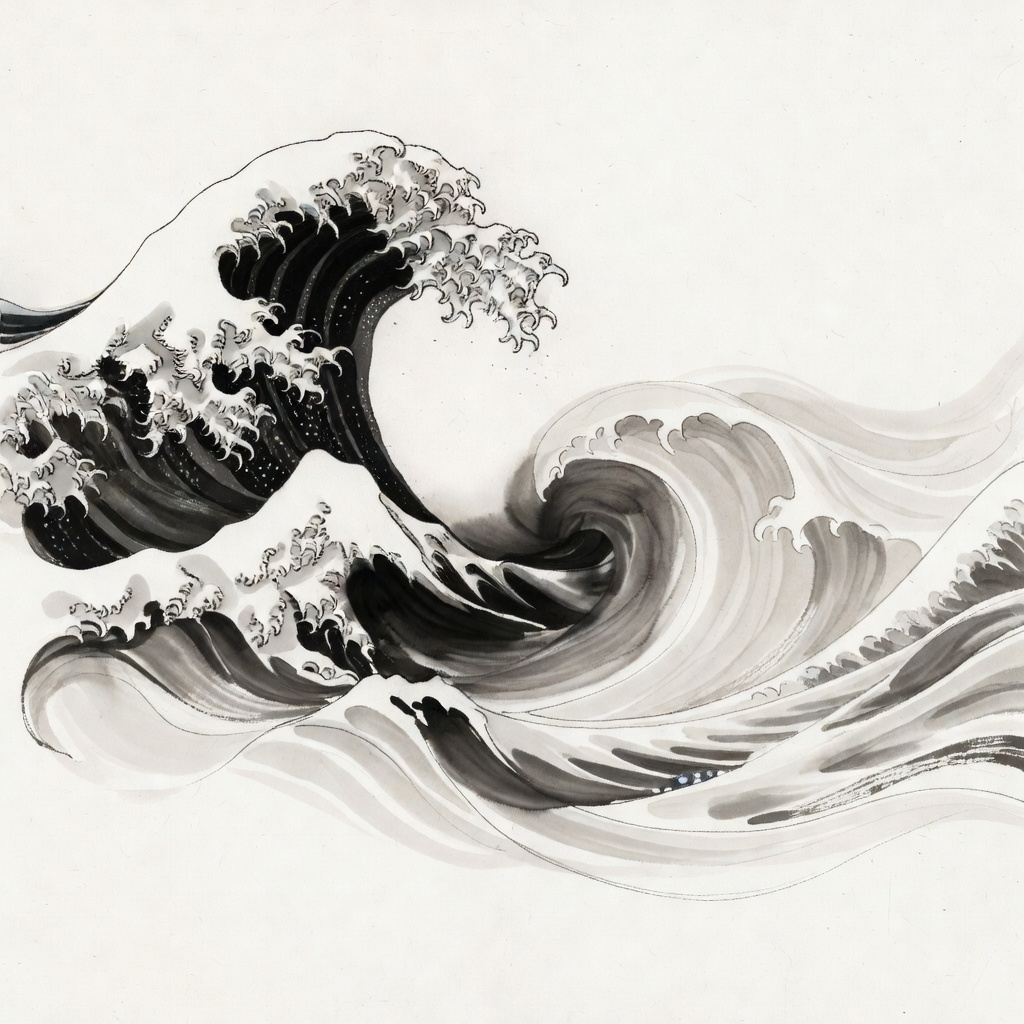
In the age of instant messaging and digital typography, the ancient Japanese art of shodo — calligraphy written with ink and brush — is not simply surviving; in many ways, it is flourishing. Across elementary schools, corporate mindfulness retreats, and artistic studios in every major city, practitioners speak of shodo in terms that go beyond aesthetics: as a form of meditation, presence, and self-understanding.
The History of Shodo in Japan
Introduced from China during the Nara period (710–794 CE), shodo gradually evolved to accommodate the unique characteristics of the Japanese written language. Early practitioners were predominantly Buddhist monks and aristocrats, who saw the discipline of brushwork as inseparable from spiritual cultivation. By the Heian period, a distinctly Japanese aesthetic emerged, celebrating the beauty of flowing, connected strokes that emphasized grace over strict correctness.
The transmission of shodo through generations was not merely technical but philosophical. Masters passed down an understanding that the quality of a single brushstroke reveals the inner state of the writer — their patience, focus, and emotional clarity. This idea continues to resonate today.
"When the brush touches the paper, there is no room for distraction. The mind must be fully present — and in that presence, something honest is revealed."
— Hiroshi Nakamura, Shodo Master, Kyoto
Contemporary Practice and Its Appeal
Today, shodo classes are filled not only with schoolchildren fulfilling curriculum requirements, but with professionals in their thirties and forties seeking a counterbalance to the relentless pace of modern work. Corporate wellness programs in Tokyo increasingly incorporate shodo workshops, with practitioners reporting improved concentration and reduced stress after regular sessions.
Geometric patterns in traditional Japanese design reflect the balance of mind cultivated through shodo practice.
The digital generation has also found unexpected value in shodo. Several popular online communities share photographs of brushwork alongside reflections on the creative process, and internationally-oriented shodo schools now offer courses in English for non-Japanese learners who come to Japan specifically to study this art.
What Makes Shodo Different
Unlike many art forms, shodo does not permit correction. Each stroke must be committed to fully, without hesitation or withdrawal. Once the ink meets the paper, the choice stands. Practitioners often describe this irreversibility as one of shodo's most valuable lessons — that decisive, wholehearted action creates something genuinely one's own, while hesitation produces only a weak impression.
The tools themselves reinforce this philosophy. The ink, ground slowly from a stick, requires patience. The brush, held loosely and moved from the shoulder rather than the wrist, demands relaxed confidence. The paper, often handmade washi, responds differently from any digital surface, absorbing ink with its own organic variation that must be accepted, even welcomed.
Shodo as Cultural Continuity
In a society that often grapples with the tension between tradition and modernity, shodo occupies an interesting position. It does not resist change so much as ground those who practice it in something that predates contemporary pressures. Young Japanese people who might otherwise feel disconnected from historical culture often report finding, in shodo, a direct and personal link to their ancestors.
Major exhibitions at institutions such as the Tokyo National Museum continue to draw substantial audiences for calligraphy shows, demonstrating that the art form retains cultural prestige alongside its personal appeal. New forms — calligraphy combined with hip-hop performance, or integrated into contemporary graphic design — suggest that shodo will continue to evolve without losing its essential character.